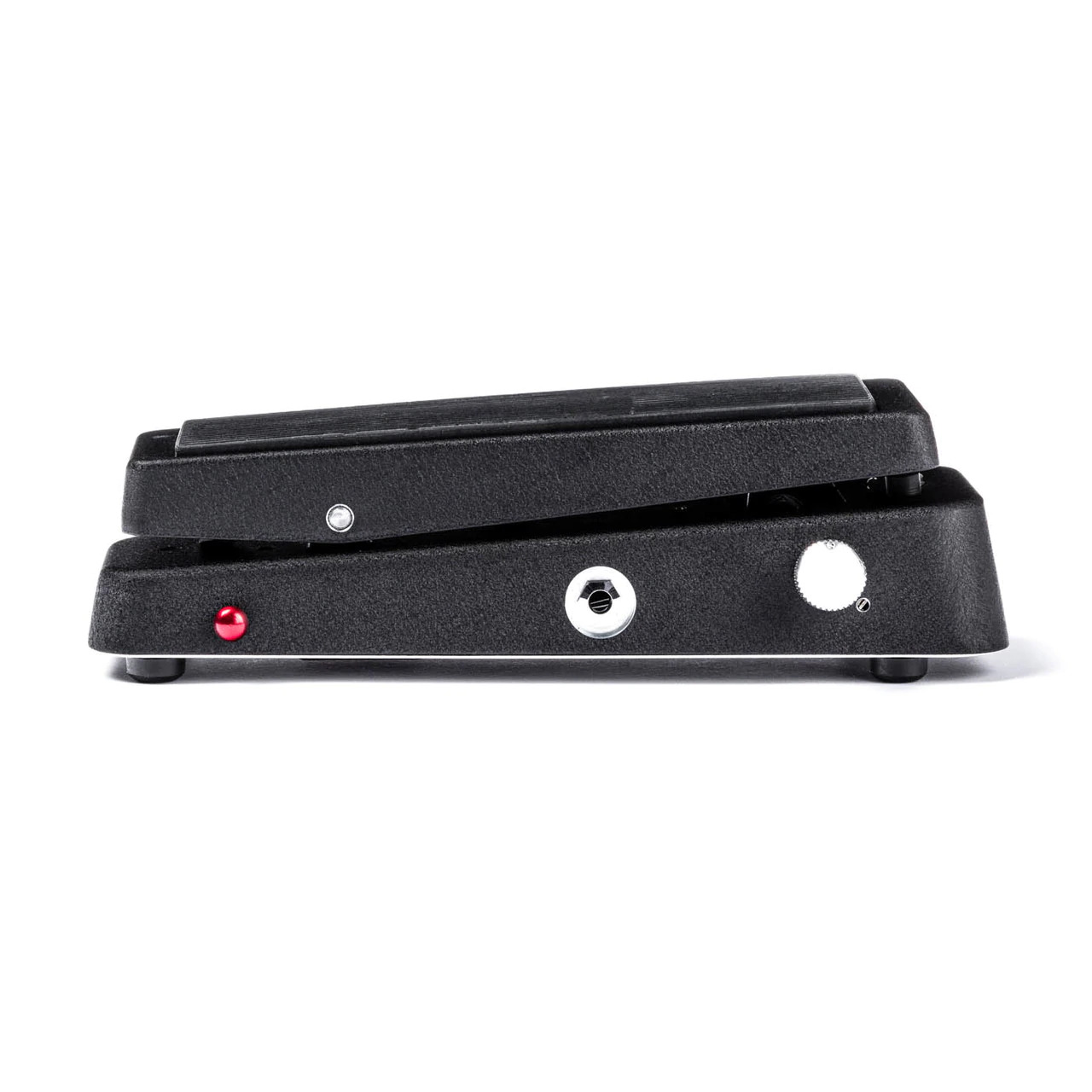
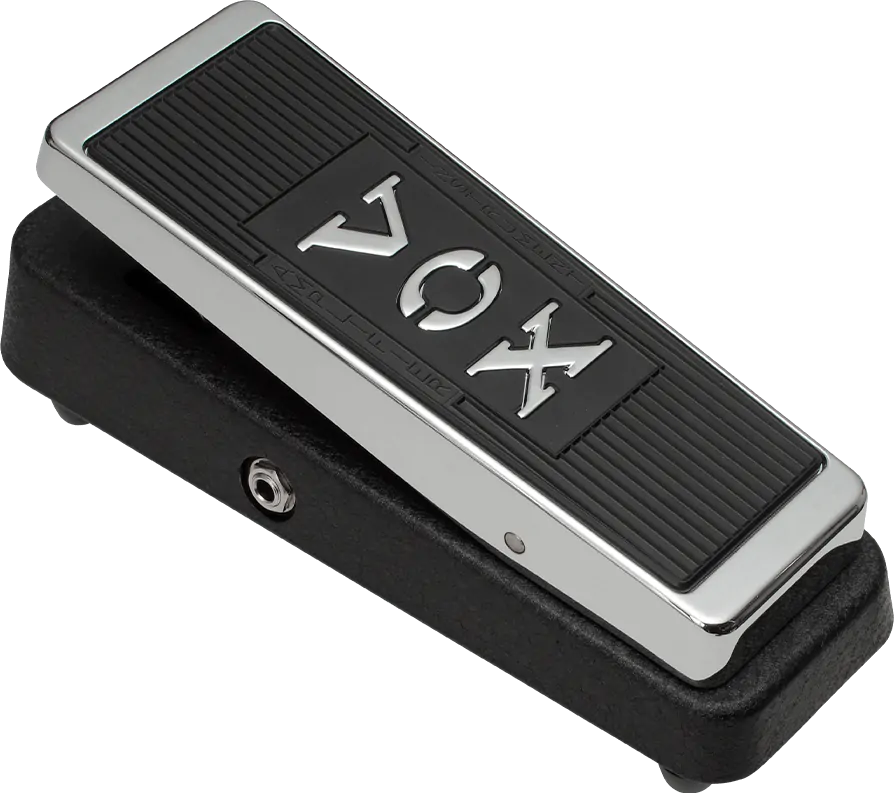
Vox VRM1 Vintage Real McCoy Wah
Wah Pedal

Contact Us For Availability
This item is currently out of stock, click below to request an ETA, and we will be in touch soon.
 More info
Calculate Shipping
Enter post code to calculate shipping
1967 is back – the new wah pedal from the original creators
Introduced by VOX in 1967, the Wah-Wah pedal stemmed from the Midrange Boost feature of a VOX amp design and was initially marketed as a way to emulate Clyde McCoy’s trumpet mute technique. However, an unintended but music-changing use with electric guitar turned the Wah pedal into a vital tool for renowned artists such as Jimi Hendrix and Eric Clapton, driving the creation of now-legendary performances and songs. From the 1960s to today, the Wah pedal has become an essential tool for guitarists.
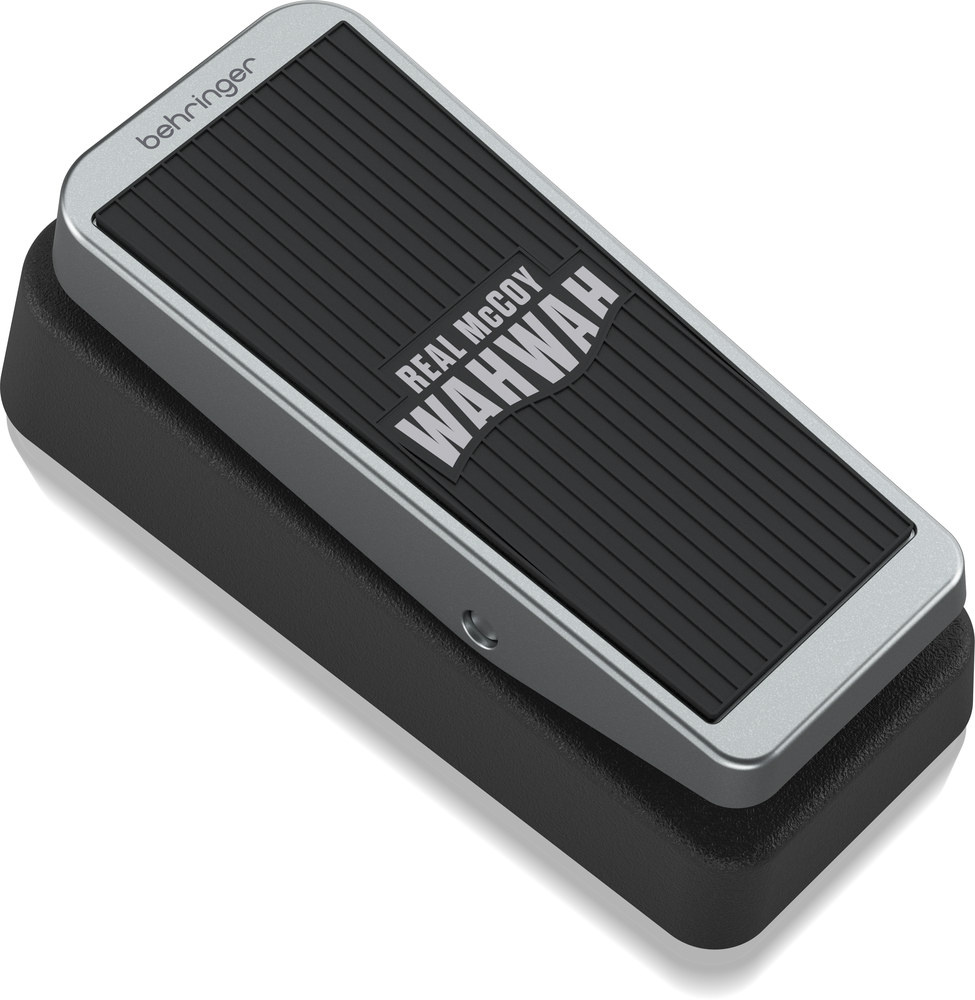
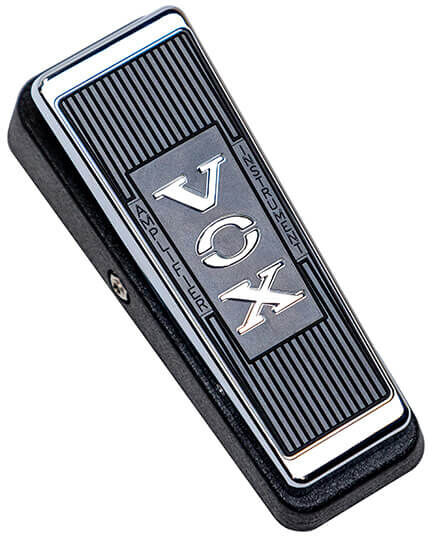
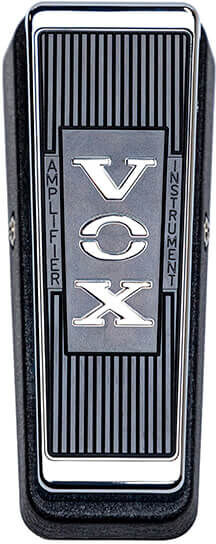
The new Real McCoy wah pedal perfectly emulates the original wah down to the component level. VOX engineers have worked hard to unravel the mysteries of the vintage McCoy wah model, resulting in a pedal that meticulously replicates the exact tonal characteristics.
The Real McCoy is voiced for the iconic nasal tone of the original wah model, with an accentuated midrange that imparts a warm and melodic character to your guitar.
The Pursuit of the Ultimate Vintage Wah
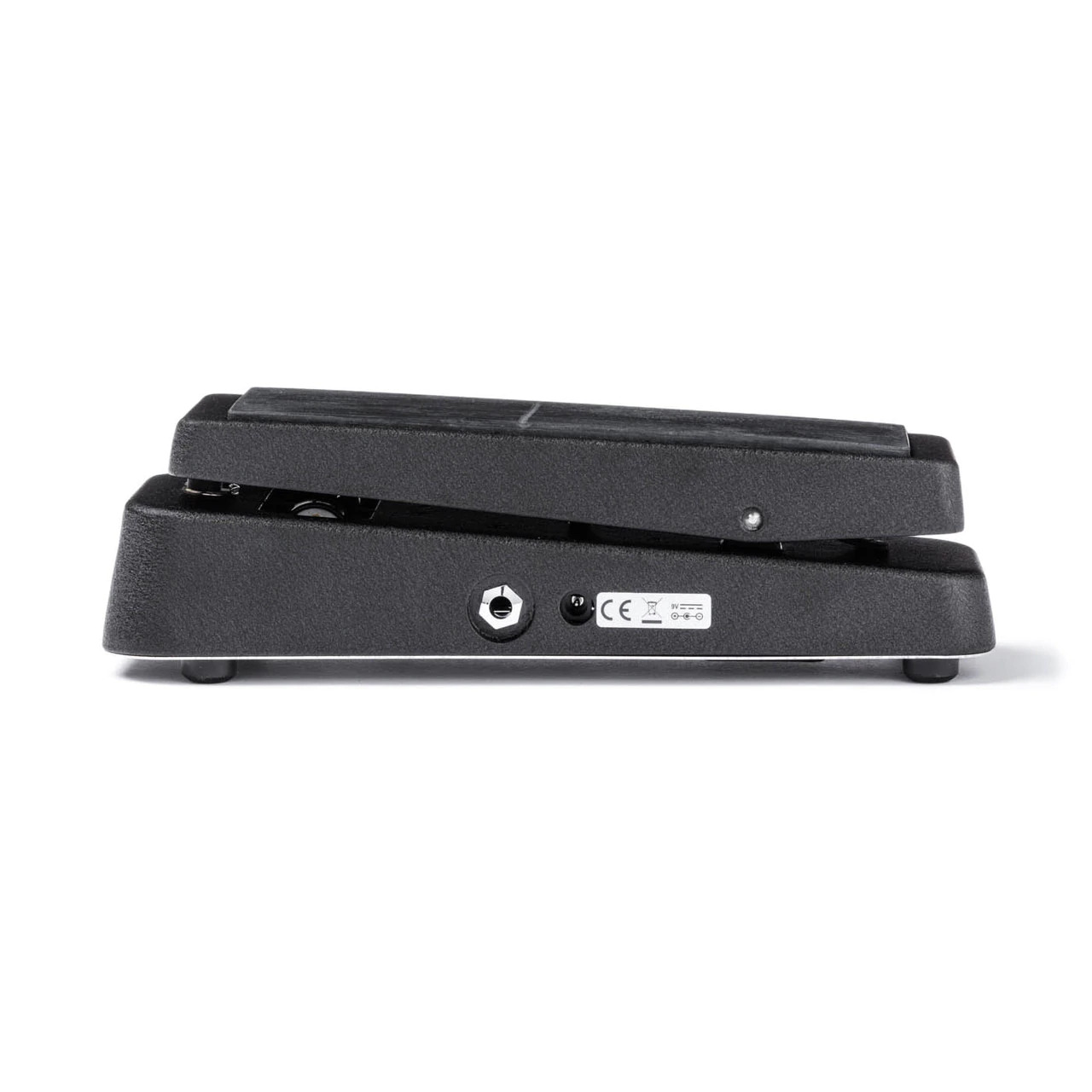
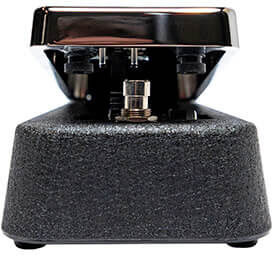
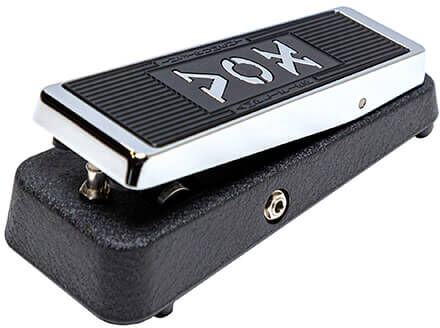
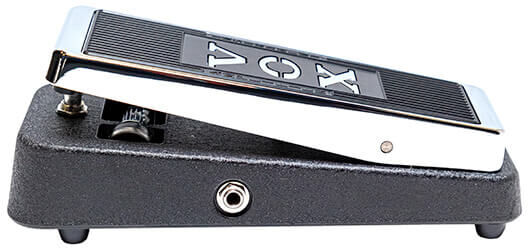
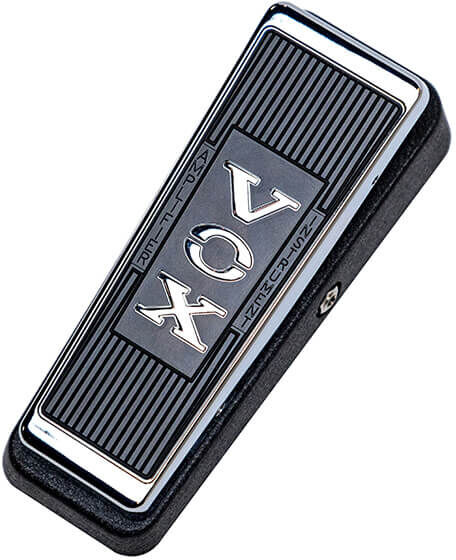
The new Real McCoy wah is unlike any wah on the market today – it is built with custom-designed parts to fully replicate the original. This includes newly designed inductors, transistors, and potentiometers, with hand-selected resistors, capacitors, and wiring to complete the circuit. This exact recreation extends to the exterior as well, with a body molded from a 3D scan of the vintage model, and a focus on details down to the screws and font on the underside.
Unlocking the Mystery Behind the Iconic Sound
The journey to the Real McCoy wah pedal was started by acquiring a mint condition vintage McCoy wah from 1967, referred to at VOX as the “Holy Grail” – the epitome of the ideal unit. Exhaustive A/B testing was conducted, systematically comparing its frequency response against that of other more conventional vintage units. This exploration unraveled the alchemy inherent in vintage components that collectively shape the unique frequency curve characteristic of the holy grail unit.
Inductors: The Crucial Component in Wah Technology
The “Halo” inductor stands as the quintessential element in the vintage wah. By meticulously analyzing the inductor characteristics of vintage units, we have successfully replicated the Halo inductor to incorporate it into our wahs. The Real McCoy – renowned for its iconic nasal tone – accentuates the midrange, imparting a warm and melodic quality for expressive lead guitar playing that underscores the articulation of each note.
Potentiometer: An Integral Component in Wah Dynamics
The potentiometer, a variable resistor, is the pivotal element driving the wah sweep. When the potentiometer from the vintage unit was copied, meticulous adjustments were made to ensure a near-identical curve. The VRM-1 and V846 Vintage models employ distinct resistance values and curves.
Transistor: Precision in Component Matching
Employing the appropriate transistor, specifically the BC109 model with identical numbering and appearance as its vintage counterpart, delivered precise component matching. This configuration requires careful assembly due to the interaction with the bottom plate, an integral component of the transistor’s terminals. Despite the availability of similar transistors, the tonal variance observed when compared to 60s components required a custom circuit for tone adjustment.
Resistor: Navigating the Evolution of Resistive Elements
In guitar amplifiers, “carbon composite” resistors were once highly regarded. However, by the late ‘60s, “carbon film” resistors, cost-effective and consistent in quality, became standard. The VOX Wah, introduced in 1968, also adopted carbon film resistors. However, in the new VOX Wah pedals, larger 1/2W carbon film resistors are utilized to faithfully replicate the vintage Wah tonal characteristics. By moving away from chip resistors and 1/4W resistors, we can deliver an even more authentic sound.
SPECIFICATIONS
Connections: INPUT jack (monaural phone jack), OUTPUT jack (monaural phone jack)
Power supply: 9V dry cell batteries (6LF22/6LR61) (sold separately)
Battery life: approx. 100 hours or more (with alkaline batteries)
Current consumption: 540μA (9V DC)
Dimensions (W x D x H): 102 x 252 x 80 mm
Weight: 1300 g (excluding batteries)
Accessories: 1300 g (excluding batteries)
Specifications and features are subject to change without notice.
For more information, click here to visit the manufacturers website.